Understand Why uPVC Is Superior
Upgrading to uPVC frames and double glazing can completely elevate the comfort and performance of your home.
These modern systems are designed to keep indoor temperatures stable, reduce drafts, minimise condensation, and block unwanted noise.
With better insulation in both the frame and the glass, your home stays warmer in winter, cooler in summer, and far more energy‑efficient.
The result is a noticeably drier, quieter, and more comfortable living environment.
A genuine step up in how your home feels every day.
Aluminium Frames with Single Glaze
Condensation Test
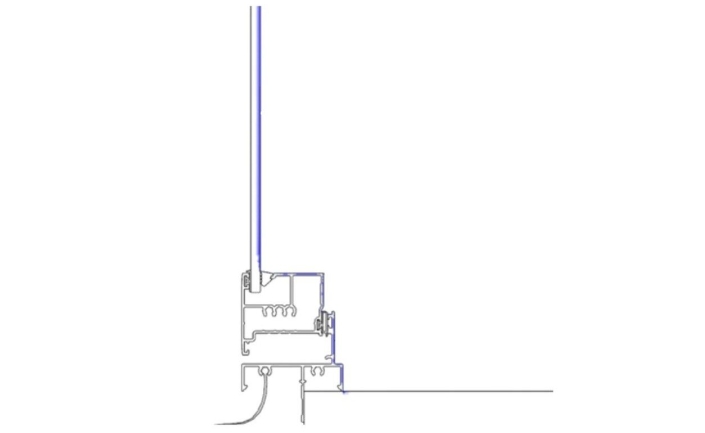
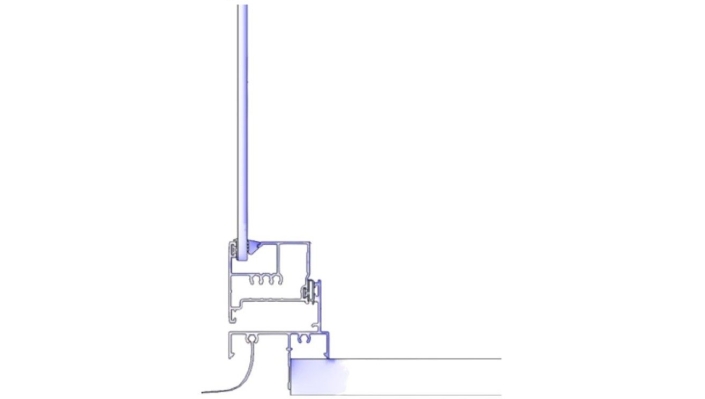
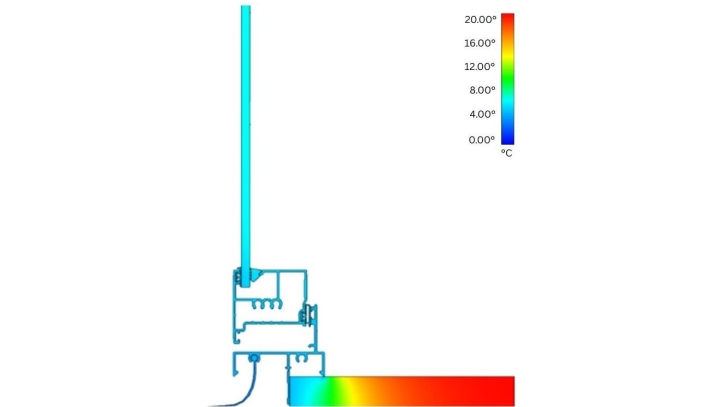
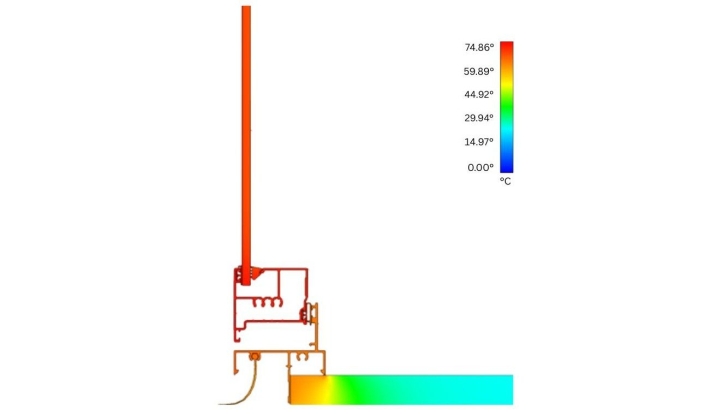
The aluminium single‑glazed chart shows a solid blue line running along the frame, which indicates condensation failure.
This happens because aluminium is a metal that becomes very cold in winter, and single glazing offers almost no insulation.
When warm indoor air hits the cold aluminium frame or the cold single pane of glass, moisture instantly turns into water droplets.
This is why aluminium single‑glazed windows often appear wet, feel cold, and contribute to mould or dampness inside the home.
uPVC Frames with Double Glaze
Condensation Test
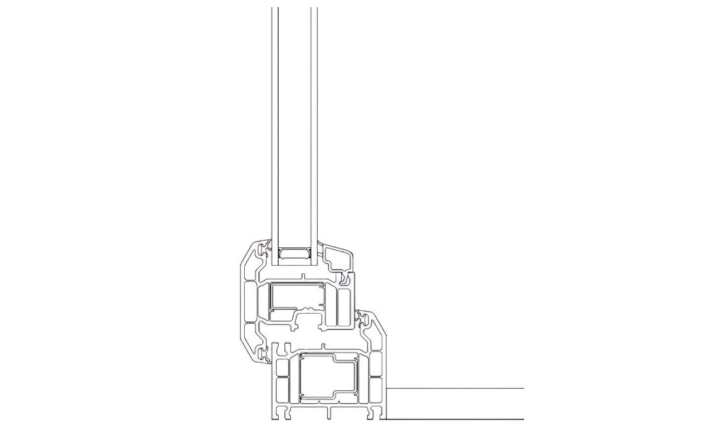
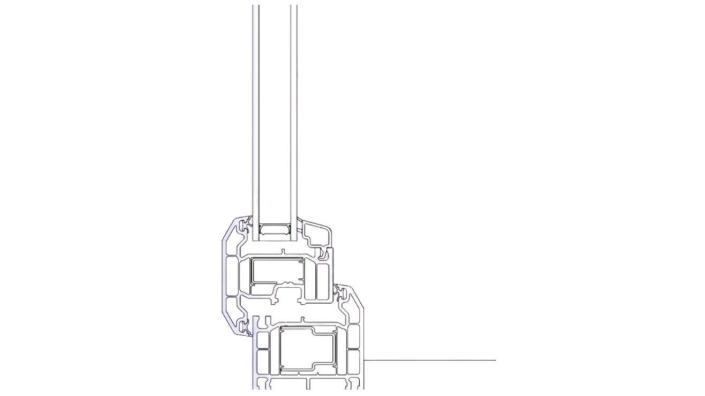
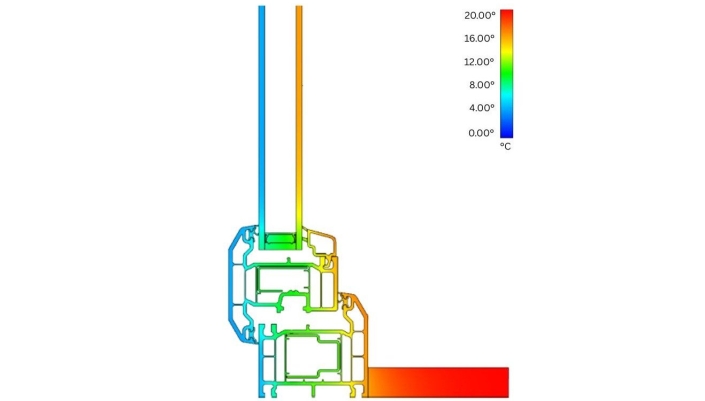
The uPVC double‑glazed chart shows no solid blue line at all, showing that the frame and glass are not transferring cold into the home.
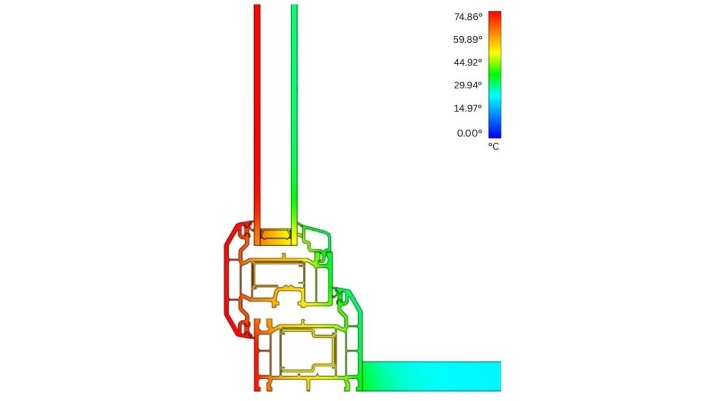
uPVC is an insulating material, so it doesn’t draw in the cold the way aluminium does, and the double‑glazed unit adds a protective air gap that keeps the inside surfaces warmer.
Because the frame and glass stay at a stable temperature, moisture doesn’t form, and the window remains dry and comfortable.
The chart clearly demonstrates this stable performance; the absence of the blue line simply shows that the window is maintaining warmth and preventing condensation as intended.